POS & retail
Food Waste Is a Cost Problem: Why Ingredient-Level Tracking Matters
USDA estimates that 30 to 40 percent of the U.S. food supply is wasted. For a kitchen, every discarded ingredient is money already spent.
A large and old estimate
The U.S. Department of Agriculture estimates that between 30 and 40 percent of the food supply in the United States is wasted. USDA explains that this figure is based on 2010 data, when the loss rate at the retail and consumer levels was 31 percent, about 133 billion pounds of food worth roughly 161 billion dollars. USDA also notes that the country does not have a single agreed baseline for food loss and waste, so figures differ depending on the measure used.
What it means for a kitchen
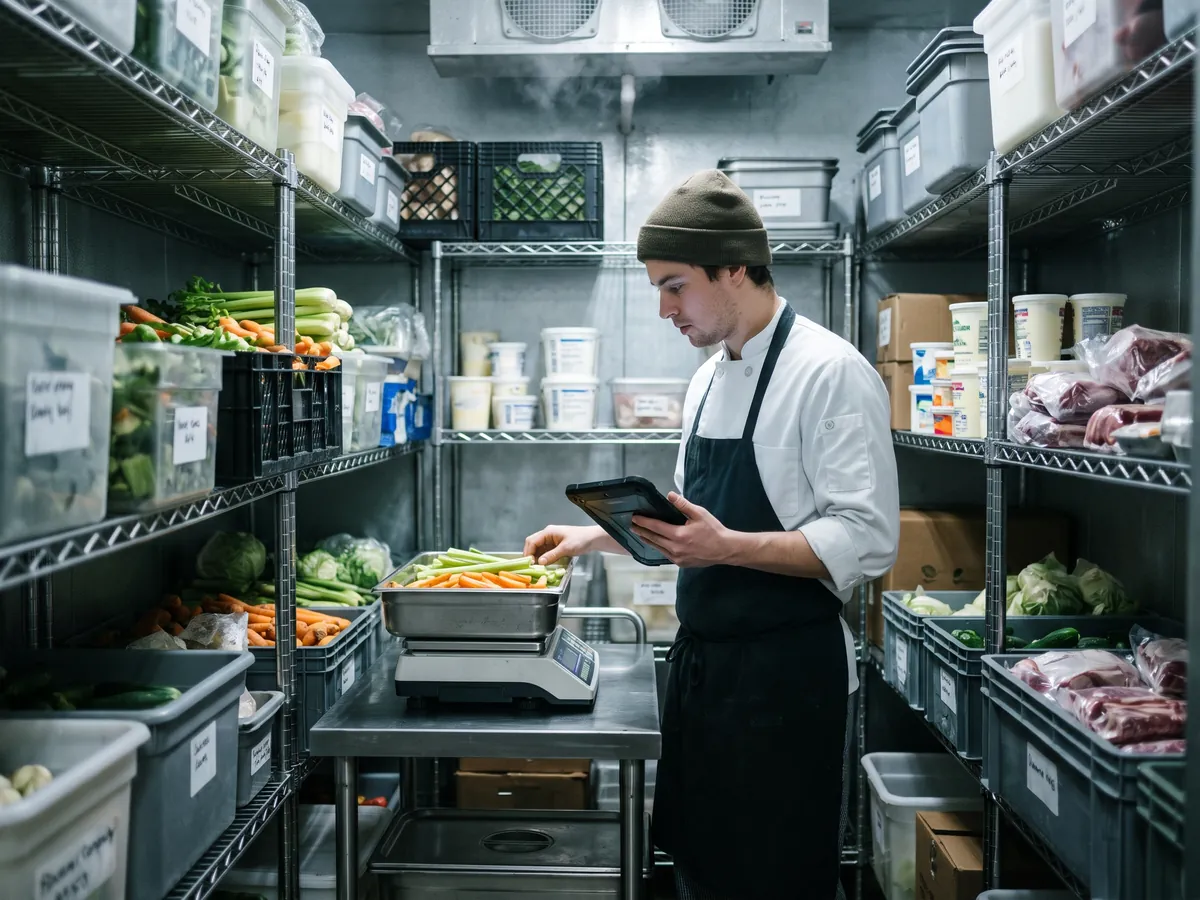
You do not need national statistics to know that food you throw away is money you have already spent. Waste comes from over-ordering, spoilage, prep mistakes, plate waste and recipes that use more than the menu price assumes. Without records, these losses disappear into the general cost of food.
Track at the ingredient level
If each menu item is linked to its ingredients and quantities, every sale reduces stock automatically and every delivery adds to it. The difference between the stock the system expects and the stock on the shelf then points to waste or error. Linked recipes also show the real cost of each dish, which protects margin when supplier prices change.
A practical start
Begin with the ten ingredients that cost the most. Count them regularly, compare with the system and investigate the gaps. Menu and price management is part of the planned feature set of MayPos CRS, which is in development.