Insights
Practical, sourced articles on AI automation, Excel and point-of-sale systems for small businesses.
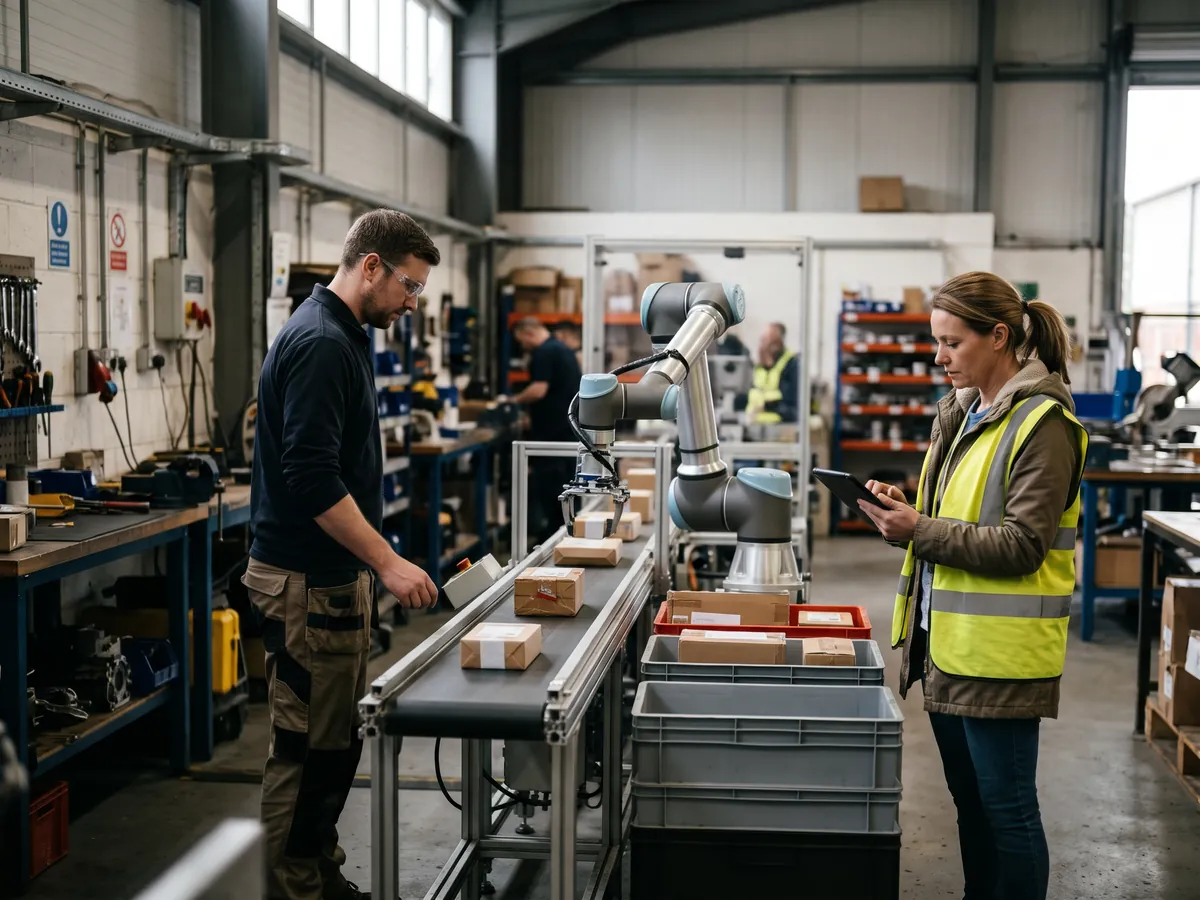
Why the Best Small-Business AI Is Narrow, Not Flashy
Adoption of AI is rising quickly, but the value for small teams usually comes from one clear, checkable workflow.
Read more
What Retail Shrink Really Costs, According to NRF
The National Retail Federation estimated shrink at 1.6 percent of sales in fiscal 2022, about 112 billion dollars. What it includes and why it matters.
Read more
One Page of Numbers Beats Twenty Tabs: Building a Useful Excel Dashboard
A good dashboard answers a few questions at a glance. Excel's PivotTables make that possible when the data underneath is clean.
Read more
Offline-First POS: Keeping the Register Running When the Internet Drops
A till that depends on a constant connection stops when the connection does. Offline-first design keeps selling and syncs afterwards.
Read more
The AI Adoption Gap: What Eurostat's Numbers Say About Smaller Firms
In the EU, AI use is far more common in large enterprises than in small ones. Here is what the gap means in practice.
Read more
A Spreadsheet Limit Hid 15,841 COVID Cases. What Small Teams Can Learn
In 2020 an old file format's row limit caused thousands of positive tests to go unreported for days. The lesson is to know your tool's limits.
Read more
Restaurant Margins Are Thin: Where Operational Efficiency Helps
The National Restaurant Association's 2025 report describes big sales but pressured operators. Efficiency in the daily flow is one lever.
Read more
Document Automation: From Invoices and Emails to Clean Data
Most back-office time is spent re-typing information that already exists in a document. Automation can read it, but a person should confirm it.
Read more
When a Spreadsheet Becomes a System: Five Signs You Have Outgrown It
Spreadsheets are a superb starting point. These five signs tell you when a workbook has quietly become a business system.
Read more
Not Just Theft: Why Process Errors Cause Over a Quarter of Shrink
NRF attributed 27 percent of 2022 shrink to process and control failures and errors. Those are the losses a shop can fix itself.
Read more
What a Data Breach Costs, and Why Your AI Tools Should Keep Data Close
IBM's 2024 study put the global average cost of a breach at 4.88 million dollars. The lesson for small firms is to limit where data travels.
Read more
Data Validation: The Cheapest Way to Stop Bad Data at the Door
Most spreadsheet errors start as a typing mistake. Excel's data validation can prevent many of them before they enter the sheet.
Read more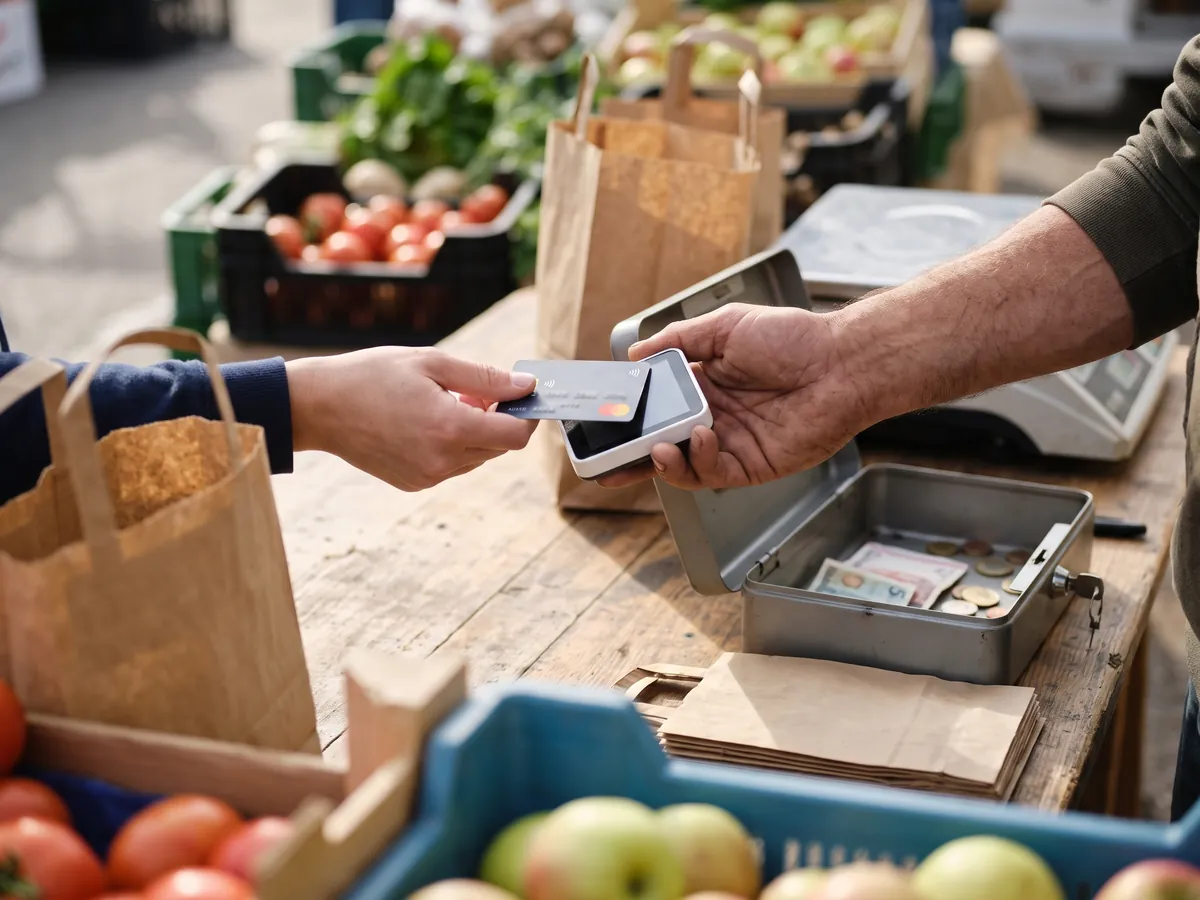
Cash, Credit, Debit: What the Fed's Payment Diary Means for Your Checkout
In 2023 credit and debit cards made up more than 60 percent of U.S. consumer payments, and cash 16 percent. What that means at the counter.
Read more
Automate the Routine, Keep People in Charge of Decisions
The most dependable automations separate the repeatable steps from the judgement calls and put a person at the right checkpoint.
Read more
Power Query: Cleaning Data Without Copy and Paste
Power Query records every cleaning step once and repeats it on the next refresh, so monthly clean-up stops being a manual job.
Read more
Food Waste Is a Cost Problem: Why Ingredient-Level Tracking Matters
USDA estimates that 30 to 40 percent of the U.S. food supply is wasted. For a kitchen, every discarded ingredient is money already spent.
Read more
Your Team Is Probably Already Using AI. Here Is How to Make It Safe
Generative AI use at work has grown quickly. A short policy and approved tools are better than hoping nobody uses it.
Read more
One Formula Range, Big Consequences: The Reinhart-Rogoff Spreadsheet Error
A formula that skipped a few rows in an influential economics paper became a famous case study in spreadsheet risk.
Read more
E-Commerce Is Growing, but Most Retail Sales Still Happen Elsewhere
The U.S. Census Bureau puts e-commerce at about 16.4 percent of retail sales in 2025. Most sellers need to run both channels well.
Read more
Small Businesses Are the Majority. Their Software Should Be Built for Them
In the United States alone there are about 34.8 million small businesses, yet much business software is designed for large organizations.
Read more